
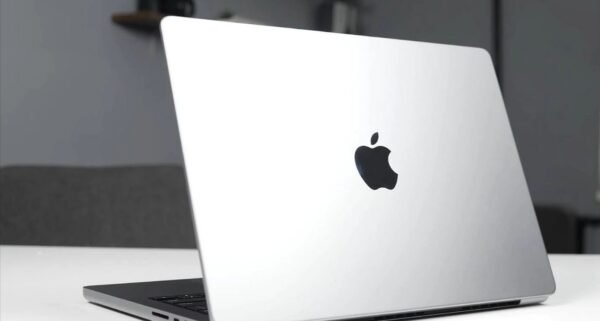
Many people think about selling their MacBook only after they have already decided to buy a replacement. By that point, they often rush the process, accept the first offer they receive or overlook simple steps that could have increased the device’s value.
The reality is that a little preparation can make a significant difference. Buyers are naturally willing to pay more for a laptop that has been well looked after, presented properly and comes with the reassurance that it has been cared for throughout its life.
One of the easiest ways to protect resale value starts long before you decide to sell. Using a protective sleeve or case when carrying your MacBook helps prevent dents, scratches and cosmetic damage that can reduce its appeal. Likewise, keeping food and drinks away from the keyboard can help avoid accidental spills that may lead to expensive repairs or hidden internal damage.
Regular cleaning is another simple habit that pays off. Dust around the keyboard, fingerprints on the screen and marks on the aluminium casing can make even a perfectly functioning MacBook appear older than it really is. A clean device creates a much stronger first impression and immediately suggests that it has been well maintained.
Battery health is another factor that many buyers now check before committing to a purchase. Although batteries naturally lose capacity over time, avoiding excessive heat, using appropriate charging habits and keeping software up to date can all help preserve battery performance. A healthier battery not only improves everyday usability but can also increase buyer confidence when the time comes to sell.
Storage management is often overlooked. A MacBook that has been running with very little free space for years may begin to feel slower than it should. Before listing the laptop for sale, removing unnecessary files, uninstalling unused applications and ensuring the operating system is running smoothly can help demonstrate that the device still performs as expected.
Timing also plays an important role in achieving the best resale value. Waiting until a MacBook is no longer supported by the latest version of macOS or until significant hardware problems develop may reduce buyer interest. Selling while the laptop still receives software updates and continues to meet the needs of most users generally results in stronger demand.
Accessories can make a difference too. If you still have the original charger, packaging or documentation, including them with the sale may make the laptop more attractive. While these extras may not dramatically increase the selling price, they often help create a more complete package that stands out from similar listings.
Many buyers also appreciate honesty. Clearly describing the condition of the MacBook, mentioning any cosmetic marks and providing accurate photographs helps establish trust from the beginning. Attempting to hide scratches or exaggerate the condition of the laptop often leads to disappointment, negotiation or cancelled sales.
Before selling, it is also essential to prepare the computer properly. Backing up important files, signing out of personal accounts, disabling activation features where appropriate and performing a secure factory reset ensures the new owner receives a clean device while protecting your personal information.
Around this stage, many people begin comparing the money they could receive for their existing laptop with the cost of purchasing a refurbished MacBook. For buyers who do not necessarily need Apple’s newest hardware, this can provide an opportunity to upgrade performance while keeping overall spending to a sensible level.
It is also worth spending a little time researching current market prices. Looking at completed sales rather than simply asking prices provides a more realistic idea of what buyers are actually prepared to pay. Pricing a MacBook too high can discourage enquiries, while pricing it too low may mean losing money unnecessarily.
Where you choose to sell can also influence the outcome. Private sales may achieve a higher price but often require more time and communication with potential buyers. Trade-in services offer convenience and speed, although they may provide a lower valuation. Specialist technology buyers sit somewhere between the two, combining a relatively straightforward process with competitive offers for well-maintained devices.
Perhaps the biggest mistake people make is waiting until their MacBook has become a problem before considering selling it. Once repairs become frequent, performance noticeably declines or software support comes to an end, resale values often begin to fall more quickly. Selling while the laptop is still desirable usually provides a stronger return and gives the next owner confidence that they are buying a capable machine.
Ultimately, maximising the resale value of a MacBook is less about finding clever selling techniques and more about looking after the device throughout its lifetime. Regular maintenance, careful handling, honest presentation and sensible timing all contribute to achieving the best possible price. By planning ahead rather than leaving everything until the last minute, owners can make upgrading to their next MacBook a far more affordable experience while ensuring their existing device continues to provide value for someone else.