Road salt helps keep winter roads usable, but salty spray can encourage corrosion beneath your car. The damage often develops around seams, brackets and enclosed sections that receive little attention during a normal wash. Understanding where salt collects helps you plan cleaning, inspections and suitable protection.
Mark from Preserve & Protect says “The aim is to reduce prolonged exposure and identify problems early. Regular washing can help, but it cannot repair existing corrosion or guarantee that hidden cavities are clean. A vehicle’s condition, construction and protective coatings all influence the approach it needs.”
What Road Salt Does
UK winter maintenance commonly uses rock salt, which is mainly sodium chloride. Although road treatment is often called gritting, salt is primarily used to lower the freezing point of water. It does not need to be mixed with abrasive grit to work.
Salt dissolves in moisture to form brine. Traffic spreads this across the road and throws it onto nearby vehicles. Your tyres carry contaminated water into wheel arches and beneath the body, where it can mix with mud and other debris.
A road looking dry does not mean your car is free of salt. Residue may remain in sheltered areas and become wet again during subsequent rain or damp conditions. Repeated exposure matters more than whether you can see white deposits on the paintwork.
Why Salty Water Encourages Rust
Rust is a form of corrosion affecting iron and steel. It develops through electrochemical reactions involving moisture and oxygen. Dissolved salts increase the water’s electrical conductivity, helping those reactions proceed where suitable conditions exist.
Chloride ions can also undermine protection on some metals. Existing chips, scratches and deteriorating coatings give moisture access to vulnerable surfaces. Road debris can damage coatings separately, creating additional places where corrosion may begin.
The speed of corrosion varies between vehicles and even between different areas of the same underside. Metal type, coating condition, temperature, exposure and drying patterns all influence deterioration. An inspection provides a clearer picture of your car’s condition than judging its risk from age alone.
Where Salt Collects Underneath
Wheel Arches and Protective Liners
Wheel arches receive repeated spray from the tyres. Mud and salt can accumulate around edges, fasteners and behind liners. A clean visible arch does not necessarily mean the area behind its protective panel is equally clean.
Sills and Overlapping Seams
Sills, panel joins and folded edges can retain contamination. Where moisture reaches enclosed sections, corrosion may develop beyond everyday view. Drainage openings should remain clear so water can escape instead of collecting inside.
Subframes and Mounting Areas
Subframes, crossmembers and suspension brackets can have recesses or upward-facing surfaces that hold debris. Their shape and coating condition influence exposure. These areas deserve attention during a professional inspection, particularly where rust is flaking or coatings are lifting.
Brake Pipes and Other Components
Steel brake pipes, brackets and fuel tank straps can corrode, although materials and designs vary. Exhaust components also experience heat, moisture and ageing, so their deterioration should not automatically be attributed to road salt alone.
Recognising Possible Corrosion
Orange staining, flaking rust and lifting protective coatings can indicate areas needing assessment. Bubbling paint around lower panels or seams may suggest corrosion beneath the finish, but its extent cannot be established from appearance alone.
White deposits usually indicate contamination rather than proving that metal has already deteriorated. Similarly, rough paintwork can have several causes. Cleaning and inspection help distinguish surface deposits from damage requiring repair.
Avoid testing suspect metal by pushing a screwdriver into it. This can damage weakened material, puncture components or disturb protection without providing a reliable assessment. A qualified technician should examine significant corrosion using appropriate methods and safe access.
When Rust Becomes a Safety Concern
Light surface corrosion differs from metal that has lost thickness or developed holes. Some rust can be addressed through suitable preparation and protection, while heavily weakened components may require replacement or structural repair.
Location matters. Corrosion affecting load-bearing structures, braking components or important mounting areas can have safety implications. An orange mark near a seat belt mounting is not automatically an MOT failure; the condition and effect on the relevant structure determine the assessment.
Do not wait for the next MOT if you notice a brake fluid leak, altered braking or evidence of serious deterioration. Arrange professional assessment promptly. A protective coating must never be used to conceal a defect that needs repair.
Cleaning Salt From Your Car
Establish a Practical Winter Routine
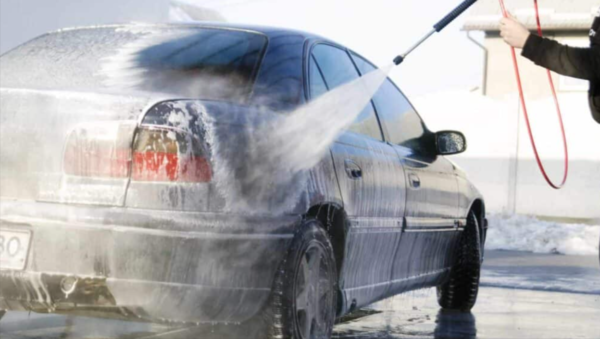
During sustained use on treated roads, washing every week or two can be a useful starting point. Adjust this to mileage, contamination and the vehicle manufacturer’s guidance. A car covering long distances through winter spray may need attention sooner.
Rinsing accessible lower areas after heavy exposure can reduce residue. Use fresh water and appropriate cleaning products, paying attention to wheel arches and lower bodywork. Choose conditions where runoff will not freeze and create a hazard.
Use Pressure Washing Carefully
There is no universal pressure setting that is safe for every underside. Follow the vehicle and equipment instructions, keep an appropriate distance and avoid directing concentrated jets into electrical connections, seals or damaged coatings.
Electric and hybrid vehicles need particular care around battery assemblies and associated equipment. Do not assume a sealed component can safely withstand any cleaning method. A specialist can advise where access or vehicle construction makes cleaning more complicated.
Avoid Unsafe Access
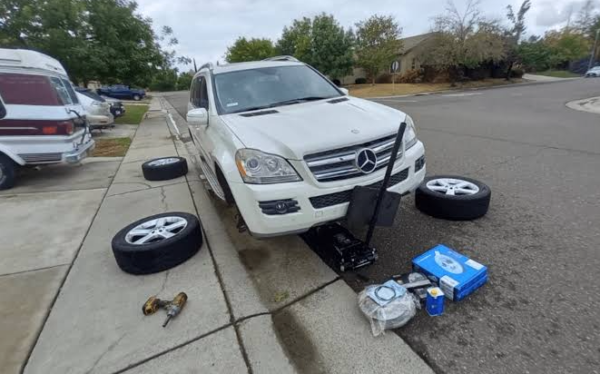
Never crawl beneath a vehicle supported only by a jack. If you cannot reach an area safely, leave it for a suitably equipped workshop. Removing liners or underbody panels may improve access, but it requires careful refitting and suitable knowledge.
Protecting the Underside and Hidden Cavities
Underbody coatings and cavity wax serve different purposes. Suitable underbody treatments protect exposed surfaces, while cavity products reach appropriate enclosed sections and seams. A complete treatment plan may include both, depending on the vehicle.
Preparation comes first. Dirt, loose corrosion and failing coatings need assessment, and surfaces must be suitable for the chosen system. Applying protection over damp contamination can leave problems concealed and compromise the result.
A paintwork ceramic coating should not be treated as a substitute for a vehicle-specific corrosion protection system. Equally, a product’s brand name alone does not establish that it suits every surface. Compatibility, coverage and correct application are essential.
At Preserve & Protect, we use DINITROL treatments as part of our vehicle preservation work. Inspection helps establish what protection is appropriate and whether any repairs are needed beforehand. Serious structural deterioration requires assessment rather than another layer of coating.
After Winter and Throughout the Year
Once winter road treatment has eased, arrange a thorough clean of accessible areas and review the underside’s condition. This is an opportunity to identify accumulated debris, damaged protection and corrosion requiring closer examination.
Do not automatically reapply cavity wax everywhere each spring. Existing protection should be inspected and maintained according to its condition and the treatment provider’s instructions. Unnecessary application can waste material and risks obstructing drainage if done poorly.
Keep photographs and dated records of inspections, repairs and treatments. Tell your technician about subsequent welding, replacement panels or other work underneath, because those operations can disturb protective layers. Regular reviews help identify where local maintenance is needed. Check again after substantial winter mileage or repairs.
Frequently Asked Questions
How Quickly Can Road Salt Cause Damage
Corrosion can begin when exposed metal encounters suitable moisture and oxygen conditions, but visible or structural damage has no fixed timetable. Vehicle age alone cannot predict the outcome. Existing protection, exposure and maintenance all matter.
Does Parking in a Garage Prevent Rust
A garage may reduce direct weather exposure, but it does not remove salt already present. Damp contamination can remain underneath a stored vehicle. Cleaning, drying conditions and inspection still matter for cars kept indoors.
Can Washing Remove All the Salt
Washing reduces contamination on surfaces it reaches. It cannot guarantee removal from enclosed cavities or behind protective panels. That limitation is why cleaning should accompany appropriate protection and periodic inspection.
Arrange an Underbody Assessment
Road salt exposure is part of winter driving, but its effects can be managed. Clean accessible areas regularly, keep drainage routes functional and arrange inspection where coatings or metal appear damaged.
Preserve & Protect offers vehicle assessments and rust protection from Johnstone, Scotland. Speak to our team about your car’s condition and winter use so we can discuss suitable preparation, treatment and ongoing care.