Installing a virtual boundary robot mower is one of the easiest ways to reduce the time and effort spent maintaining your lawn. Unlike traditional robotic mowers that rely on physical boundary wires, virtual boundary models use advanced positioning technology to navigate your garden, making installation more flexible and allowing changes to be made without digging up cables.
Although these systems are designed to simplify lawn care, spending a little time preparing your garden before installation can make a significant difference to how well your mower performs. A few simple checks and adjustments can improve navigation, increase mowing efficiency and help your lawn achieve a more consistent finish from the very beginning.
Start with a Healthy Lawn
Before introducing any robot mower, it is worth assessing the overall condition of your lawn.
Very long grass, uneven patches and excessive weeds can make the mower work harder during its first few cutting cycles. Cutting the grass with your existing mower before installation allows the robot to begin maintaining the lawn rather than trying to reduce overgrown areas.
This is also a good opportunity to fill any significant holes, level uneven sections and remove loose stones or branches that could interfere with normal operation. While modern robot mowers are designed to cope with everyday garden conditions, preparing the surface helps them perform more efficiently.
Identify Potential Obstacles
Take a walk around the entire garden and identify anything that could affect the mower’s movement.
Children’s toys, hoses, portable furniture and garden tools should all have designated storage locations so they are not regularly left on the lawn. Although many robotic mowers include obstacle detection technology, consistently clear mowing areas reduce unnecessary interruptions and improve efficiency.
Permanent features should also be considered. Bird baths, ornamental statues, newly planted shrubs and decorative edging may influence how virtual boundaries are created later during setup.
Consider the Charging Station Location
Choosing the right position for the charging station is one of the most important decisions during installation.
Ideally, it should be placed on level ground with convenient access to the main lawn area. The mower needs enough space to leave and return to the charging station smoothly without repeatedly encountering obstacles.
Electrical supply should also be considered. Positioning the charging station close to a suitable outdoor power source helps avoid unnecessary extension cables while keeping the installation neat and practical.
A carefully selected location can improve efficiency throughout the mower’s working life.
Check GPS Visibility
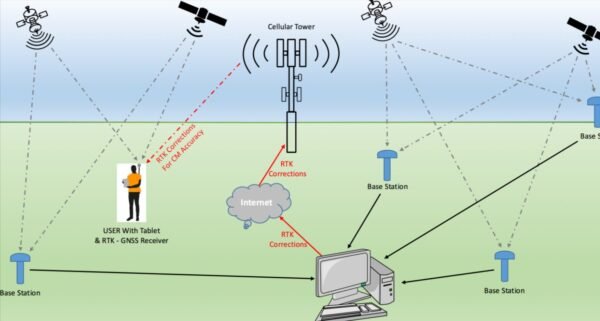
Virtual boundary robot mowers rely on accurate positioning to navigate the garden.
Although modern systems are highly capable, extremely dense tree cover, tall buildings or enclosed areas may reduce signal quality in some locations. Before installation, consider whether there are heavily shaded parts of the garden where satellite visibility could be more limited.
This does not necessarily mean virtual boundary technology is unsuitable, but understanding your garden’s layout helps ensure the system is configured as effectively as possible.
Think About Lawn Zones
Many gardens contain more than one grassed area.
Front and back lawns, narrow side passages or separate sections connected by pathways can all influence how the mower should operate. Planning these areas in advance makes configuration much simpler once the mower is installed.
Suppliers such as Ron Smith often provide guidance on creating multiple mowing zones, allowing the robot to maintain different parts of the garden according to individual schedules and priorities.
Thinking about these zones before installation also helps you decide how frequently each area needs cutting and whether certain sections require different mowing heights.
Define Areas to Avoid
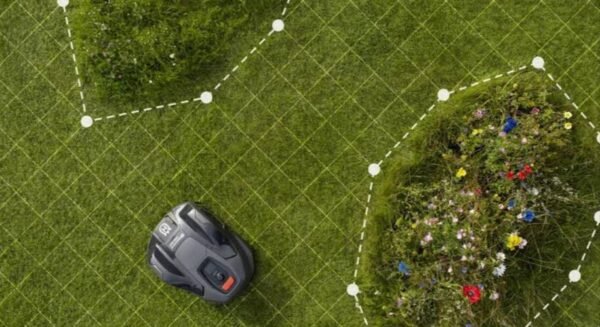
Virtual boundaries offer a significant advantage because exclusion zones can often be created digitally rather than physically.
Before installation, decide which parts of the garden should remain untouched. Flower beds, ponds, vegetable patches, recently seeded areas and delicate landscaping can all be protected by carefully configuring virtual no-go zones.
Planning these exclusions in advance saves time during setup and reduces the likelihood of needing frequent adjustments later.
Trim Lawn Edges
Robot mowers perform best when lawn edges are clearly defined.
Overhanging plants, encroaching borders and long grass around the perimeter may prevent the mower from achieving the neat finish many homeowners expect.
Tidying edges before installation creates a cleaner appearance while helping the mower follow its designated working area more accurately.
Maintaining these edges occasionally afterwards will also complement the robot’s regular mowing schedule.
Review Your Garden Throughout the Seasons
A garden is rarely static.
Trees grow, flower beds expand, children’s play equipment is moved and new landscaping projects are introduced throughout the year. One of the strengths of virtual boundary technology is the ability to adjust mowing areas without lifting buried wires.
Keeping this flexibility in mind allows you to make changes whenever your garden evolves rather than feeling restricted by the original installation.
A Little Preparation Delivers Long-Term Benefits
Virtual boundary robot mowers are designed to make lawn care simpler, but the best results usually begin with thoughtful preparation.
Taking time to assess the lawn, remove obstacles, choose an appropriate charging station location and plan mowing zones creates the ideal foundation for efficient operation. Once these initial steps have been completed, the mower can focus on maintaining a consistently attractive lawn with very little ongoing effort.
Preparing your garden before installation is therefore not simply about making setup easier. It helps ensure the mower performs at its full potential from the very first cut, allowing you to enjoy the convenience, flexibility and time-saving benefits that virtual boundary technology is designed to provide.