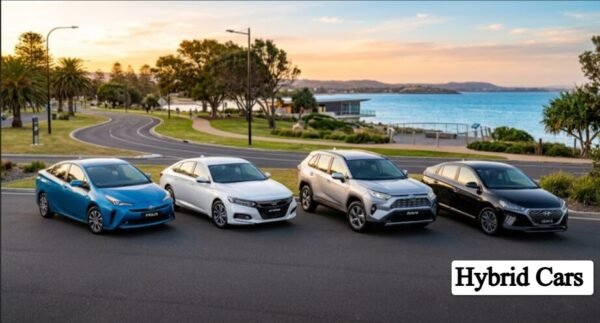
Due to the rapid growth of population, the number of vehicles on the roads have increased rapidly. This has resulted in issues like air pollution, fuel shortages and rising cost of fuel. To address these issues the auto industry has developed alternative technologies for vehicles. A significant development to address this issue is the hybrid vehicle. The hybrid car is powered by multiple sources of power, which is usually it is a mix of a diesel or petrol engine as well as one powered by electricity. Instead of relying for fossil fuels vehicles make use of electricity to boost efficiency and lower pollution. The hybrid vehicles offer better efficiency in terms of fuel and emissions, they can also help reduce the impact on the environment by limiting long-distance travel when moving vehicles.
Hybrid Cars are becoming more popular all over the world due to the fact that they provide better fuel efficiency and lower emissions when compared to traditional vehicles. Governments are also promoting their use to limit the environmental impact. However, hybrid vehicles aren’t perfect. They have limitations in terms of cost maintenance, as well as performance. To comprehend their true significance, it is essential to research both the benefits and drawbacks of hybrid vehicles.
Advantages of Hybrid Cars
1. Better Fuel Efficiency
One of the major benefits of hybrid vehicles is their fuel efficiency. Hybrid cars use an electric motor when operating at low speed and under the traffic situation, which lowers the consumption of fuel. This means less trips to petrol stations and significant reductions in fuel expenses in the long run.
2. Reduced Air Pollution
Hybrid vehicles produce less harmful emissions than conventional diesel or petrol vehicles. Because the electric motor helps the engine which burns fuel, there is less. This decreases the emission in carbon dioxide, as well as the release of other harmful pollutants which improves the air quality and reduce environmental harm.
3. Environment Friendly
Hybrid vehicles are thought to be more environmentally friendly than conventional cars. They are less pollutant-laden, which helps fight global warming and climate change. A lot of hybrid cars support Regenerative braking, which helps reduce energy consumption and boosts efficiency.
4. Regenerative Braking System
Hybrid cars use regenerative braking technology. When brakes are used the electric motor works as a generator. It converts the energy to electricity. The electricity can be stored within the battery, and can be used again later, increasing the overall efficiency.
5. Reduced Dependence on Fossil Fuels
Utilizing electricity alongside fuel, hybrid vehicles reduce the need for diesel and petrol. This is particularly important since the fossil fuel reserves are dwindling and prices for fuel are rising.
6. Smooth and Quiet Driving
Hybrid vehicles are quieter than conventional cars, especially when operating on electric mode. This gives you an enjoyable and smooth driving experience. It also reduces the noise pollution in urban areas.
7. Government Incentives
In a lot of countries, governments offer tax breaks, subsidies as well as reduced registration costs for hybrid cars. This makes hybrid vehicles more appealing to potential buyers and promote eco-friendly transport.
8. Good Performance in City Traffic
Hybrid vehicles perform extremely well in urban traffic conditions. The frequent stopping and starting of the car allows for the motor’s electric power to function effectively, increasing the efficiency and decreasing the use of fuel.
9. Lower Operating Cost in the Long Run
Although hybrid vehicles can be expensive initially but their reduced usage of fuel and less maintenance requirements can reduce operating costs in the long run. Owners can save money on fuel as well as wear and tear on the engine.
Disadvantages of Hybrid Cars
1. High Initial Cost
One of the biggest drawbacks of hybrid vehicles is the high cost of purchase. The hybrid technology and batteries and sophisticated systems result in these vehicles being more costly than standard vehicles, which might not be affordable for all.
2. Expensive Battery Replacement
Hybrid vehicles use huge batteries that can be expensive to replace. While batteries last for years, replacing them can be costly and add to long-term maintenance cost.
3. Maintenance and Repair Issues
Hybrid vehicles require special skills and skilled technicians to perform repairs. Some service centers are not equipped to handle hybrid vehicles which could increase the cost of maintenance and cause discomfort.
4. Limited Performance on Highways
While hybrid cars are efficient in urban traffic, they might have less advantages on the highways. When speeds are high the diesel or petrol engine performs the majority all the job, which reduces the value of the electric motor.
5. Heavier Weight
Hybrid vehicles weigh more than standard cars due to the fact that they are equipped with an engine and battery system. The extra weight can impact the handling, acceleration, and brake performance.
6. Battery Disposal Issues
Recycling old hybrid batteries can be an important environmental issue. They contain chemicals that can be harmful to the environment if they’re not properly recycled. Recycling systems for batteries are being developed in a number of nations.
7. Limited Driving Range on Electric Mode
The majority of hybrid vehicles are unable to travel long distances using electricity on its own. Electric mode is mostly intended for shorter distances and speeds that are low and is not as efficient as fully electric vehicles.
8. Less Boot Space
The battery pack found in hybrid vehicles usually takes up additional space, thus reducing the capacity of the boot. This can be a hassle for families and people who often travel with baggage.
9. Technology Dependence
Hybrid vehicles rely heavily on computer systems and software. Any failure of sensors or control units could affect performance and cause repair costs to increase.
10. Not Completely Pollution-Free
While hybrid vehicles are less polluting than traditional cars however, they’re not pollutant-free. They do still rely on fossil fuels and emit emissions, particularly during long distance travel.
Hybrid Cars in the Future
Hybrid cars are thought of as a bridge between traditional gasoline vehicles and fully electric vehicles. As battery technology advances and costs drop they could become cheaper and more efficient. They play a significant role in reducing emissions as society shifts to more sustainable energy sources.
Conclusion
Hybrid cars provide better performance in terms of fuel efficiency, less pollution, and more comfortable driving experience, which makes them an ideal choice for transportation in the present. However, their high cost at first as well as battery issues and problems with maintenance remain a challenge. A thorough understanding of their advantages and limitations can help buyers make educated choices.