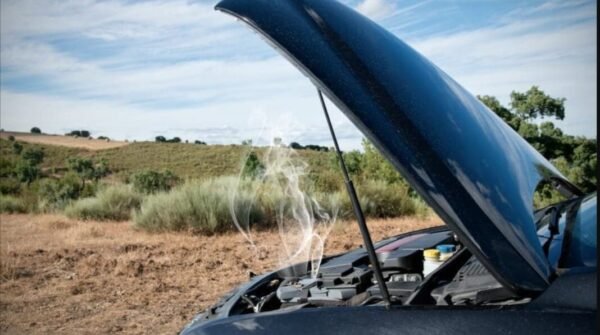
Modern cars are equipped with sensors, warning lights, electric fans, and some sophisticated cooling systems that ensure that the temperatures are maintained. You would think that overheating would be an issue of the past. However, it is one of the most frequent causes why drivers pull to the side of the road.
Even in locations like Virginia Beach, where really cold weather is not always constant, modern vehicles overheat. On most occasions, for reasons that catch drivers off guard. Let’s discuss them below.
Contemporary engines are designed to run hot
Modern engines run at higher temperatures than older engines. This is one reason why overheating continues to occur. High operating temperatures enhance fuel efficiency, minimize emissions, and enable engines to deliver more power with less fuel.
This comes with a disadvantage. There is no room for error. The cooling system maintains the temperature. This is when everything is functioning properly. However, when a single component begins to malfunction, even a little bit, the system fails.
If you notice consistent overheating, having your vehicle checked at a local Auto Repair Virginia Beach VA can help catch small issues before they turn into major engine damage.
Low coolant
Despite all the technology behind the hood, low coolant remains one of the most prevalent causes of overheating. New cars hardly consume coolant. So, when it gets low, then the car has a leak somewhere.
Common leak points include:
- Hoses that degrade over time
- Plastic fittings, which crack as they get old and hot.
- Leaks that are small and difficult to spot on radiators.
- Water pump seals that are starting to fail.
Most of the leaks begin slowly without leaving any puddles on the floor. A problem might not be evident until the engine begins operating at higher temperatures than usual or the engine sends a warning signal. In that case, the coolant is usually far below the required level.
The fans do not always turn on when it is necessary
Electric cooling fans are important, particularly in stop-and-go traffic and when at rest. When the airflow at the radiator is insufficient, the fan will remove heat from the engine.
When the fan fails, temperatures can escalate very rapidly, especially at low speeds or during stillness. Issues related to fans usually include:
- Failed fan motors.
- Faulty temperature sensors.
- Poor relays or wiring issues.
- Faults in software or control modules.
Since these parts are electronically operated, failures do not manifest themselves immediately, unless there is overheating.
Failed thermostats
The thermostat manages the flow of coolant through the engine. When it functions properly, it opens and closes without difficulties to keep a constant temperature. In the event of failure, it fails while closed.
A broken thermostat does not allow the circulation of the coolant. This results in a high rate of heat accumulation in the engine. The trickiness with this is that thermostat failures may initially be intermittent. One day the car can be overheating, and the next day it may act perfectly normal, so the drivers might think that the problem is solved. The reality is that the problem is becoming worse.
Radiators are clogged on the inside
Contemporary radiators are effective but sensitive. Internal passages may become narrow over time due to:
- Old or contaminated coolant.
- Combining different incompatible types of coolants.
- Accumulation of debris due to corrosion.
On the outside, radiators may also be clogged by:
- Dirt
- Salt
- Road debris.
A radiator that is partially restricted will lower the capacity of the system to dissipate heat. This is felt during hot weather, heavy traffic, or long journeys.
A failing water pump
The water pump circulates the coolant into the engine and radiator. When it starts to fail, it does not necessarily make noise or spill immediately.
Instead, you may notice:
- Gradually increasing
- Inconsistent overheating.
- Overheating under load or idle.
Some modern cars powered by electric water pumps may not give the conventional warning signals. Hence, overheating.
Accumulation of minor problems
There are numerous instances where overheating is not a result of a single dramatic failure. It is the combination of a number of minor issues that have cascaded into one another:
- A slightly low coolant level
- A marginal fan
- A worn-out thermostat
- Limited amount of air.
Each of these problems can not present any apparent symptoms individually. The combination overworks the cooling system. It may appear that overheating is sudden, but the reasons have been building up for months or years. The mechanics at the London Bridge Auto and Transmission Repair Shop Virginia Beach can help identify such problems early during routine inspections.
The takeaway
The modern cooling systems are remarkably efficient until they fail. A single severe overheating event may end up reducing the engine’s life significantly. It is important to switch off the engine as soon as possible and deal with the cause of the problem.
In addition, listen to warning signals, maintain good conditions of the coolant, and take care of little problems at an early stage. This will help you avoid a quick repair and severe engine trouble.