Something significant is happening on used-car lots across the country. While overall used-vehicle sales have cooled off, one segment is moving faster than ever: hybrids. Shoppers who once walked past the fuel-efficient options are now putting them at the top of their lists, and the numbers tell a compelling story about why.
The Demand Surge Is Real and It Is Big
In the first quarter of 2026, the market share for one- to five-year-old hybrid vehicles increased by 41.8% compared to the same period in 2025. During the same timeframe, traditional gas vehicles saw a 2.9% decline in market share. That is not a small shift. That is a fundamental change in what used-car buyers want.
The data suggests buyers are increasingly willing to try alternative drivetrains, but they are heavily favoring hybrid technology over the full commitment required by an electric vehicle. In other words, people want to save money on fuel, but they also want to fill up at a gas station like they always have. Hybrids let them do both.
This trend is playing out against a broader backdrop of rising hybrid popularity across the entire auto market. Hybrids accounted for nearly 20% of new vehicle sales by late 2025, nearly triple their share from just three years earlier. More new hybrids on the road today means a healthier supply of quality used hybrids tomorrow, which is good news for budget-conscious shoppers.
The Math Works in the Buyer’s Favor
One of the biggest reasons used hybrids are attracting so much attention right now comes down to simple economics. When a new hybrid rolls off the lot, it carries a price premium over its gas-only counterpart. That premium disappears in the used market, but the fuel savings do not.
On a used hybrid vehicle, the new-car price premium has already been absorbed by depreciation, which makes the math even better. A hybrid’s fuel savings typically add up to $400 to $700 per year, and reduced maintenance costs add even more on top.
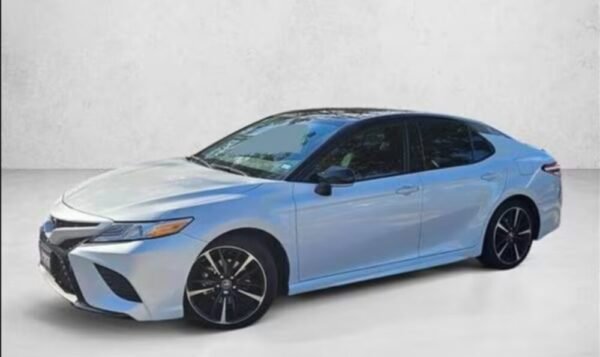
To put that in concrete terms: a 2025 Toyota RAV4 Hybrid achieves around 39 MPG combined, while its gas counterpart gets roughly 30 MPG. That gap translates to approximately $400 in annual fuel savings at 15,000 miles per year. For a sedan buyer, the savings are even sharper. A Toyota Camry Hybrid rated at 51 MPG can save $550 to $700 per year versus a comparable gas sedan.
Over five years, those figures stack up meaningfully. The RAV4 Hybrid saves roughly $2,000 in fuel versus its gas equivalent over that period, while the Camry Hybrid gap is even wider, closer to $3,000 in fuel savings over the same timeframe, per AAA 2025 ownership data.
Consumer Reports research shows that considering the total cost of ownership, including fuel savings, lower maintenance expenses, and strong resale value, electrified vehicles save consumers $6,000 to $10,000 over the life of the car. For used buyers who already start with a lower purchase price, that long-term value proposition gets even stronger.
Lower Maintenance Costs Are a Hidden Bonus
Beyond fuel, hybrids offer a maintenance advantage that many buyers do not consider upfront. Because hybrid engines use regenerative braking to recharge the battery, the traditional braking system does far less work. Regenerative braking on the hybrid means brake pads tend to last significantly longer, shaving a few hundred dollars off long-term ownership costs.
Hybrids also tend to put less strain on the engine overall since the electric motor handles much of the low-speed workload. Hybrid models typically depreciate more slowly, retaining value better than comparable gas vehicles, which matters when the time comes to trade in or resell.
What Happened to EVs Changed Everything
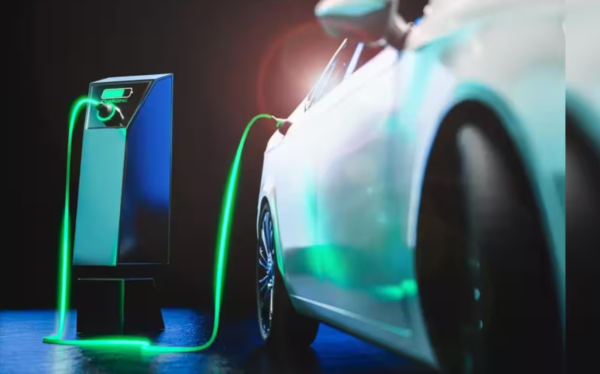
The surge in used hybrid demand did not happen in a vacuum. It is closely tied to what happened with electric vehicles. Two federal tax credits for purchasing or leasing new electric vehicles both expired on September 30, 2025: the New Clean Vehicle Credit and the Qualified Commercial Clean Vehicle Credit. Battery electric vehicle sales fell to 6% of new vehicle sales in the first six months of 2026, down from 7% over the same period a year earlier.
With EV tax incentives gone and public charging infrastructure still uneven across much of the country, a lot of shoppers who were considering going electric have pivoted. For many buyers, a hybrid “works the way people expect cars to work, but with significantly better fuel economy,” as one industry marketing executive put it. No range anxiety. No searching for a charging station. Just refuel and go.
While all used vehicles are selling slower compared to a year ago, non-Tesla EVs are the slowest moving at 60.1 days on the market. Hybrids, by contrast, are among the fastest sellers. Teslas and hybrids were prominent among the fastest-selling used models, accounting for 10 of the top 20 rankings. That kind of velocity on the lot tells you everything about where buyer confidence sits right now.
Supply Is Growing and Prices Are Holding Steady
One concern shoppers sometimes raise is whether the best used hybrids have already been picked over. The supply situation is actually improving. Hybrid sales were up 36% in Q2 2025, with hybrids reaching a 22% share of new light-duty vehicles sold. As those vehicles mature and enter the used market over the next few years, inventory will only expand.
Pricing is another point worth noting. Used hybrid prices decreased just 1.4% year-over-year in Q1 2026, compared to a 2.8% drop in gasoline vehicle prices and a 3.0% drop in EV prices. Hybrids are holding their value better than either gas or electric alternatives in the used market, which reflects genuine buyer demand rather than discounting pressure.
Reliability Has Caught Up With the Reputation
Early hybrid skeptics often worried about battery longevity. Years of real-world data have settled that concern for the most popular models. Toyota and Honda hybrids in particular have built strong long-term reliability records, and many owners are crossing 150,000 and 200,000 miles without major powertrain issues. Most owners find that the fuel savings accumulated over 100,000 miles far exceed the potential cost of a future battery replacement.
That reliability track record matters enormously in the used market. When a buyer commits to a three- or four-year-old vehicle, they want confidence that it will hold up. Hybrids from the major Japanese manufacturers have earned that trust the hard way, through years of consistent performance data.
The Bottom Line for Used-Car Shoppers
The used hybrid market in 2026 offers something that is genuinely rare: a clear value advantage that works on multiple levels at once. Lower purchase prices than comparable new vehicles. Significantly better fuel economy than gas equivalents. Reduced maintenance costs over time. Strong resale value when it is time to move on.
While the broader used car landscape has cooled off, with cars sitting on dealer lots 45.5% longer than a year ago, consumer demand is sharply focused on hybrids. The buyers flocking to these vehicles are not chasing a trend. They are following the money, and right now the money is pointing squarely at used hybrids.
If you have been on the fence, the data makes a strong case for taking a closer look. The combination of lower ownership costs, proven reliability, and real-world convenience has turned used hybrids into one of the smartest buys in the current market.